Gaming While Black-Why Blerds Keep Showing up
I started gaming during the Atari era, long before anyone used the word "Blerd" to describe Black nerds like me. Back then, I didn't have language for what I was looking for on screen. I just knew that almost nothing I played looked like me or felt remotely relatable.
Though that hasn’t fully changed, something else has grown alongside the industry's slow progress: a community of Black gamers who built their own spaces, found each other anyway, and turned gaming from a hobby that often excluded us into one we shape on our own terms.
The Word Before the Community Had a Name
Blerd, short for Black nerd, started circulating in forums and message boards in the late 90s and early 2000s, long before it had become mainstream. Black gamers, comic readers, and anime fans used it among themselves to describe a specific kind of contradiction: loving things that nerd culture claimed as its own, while rarely seeing that culture make room for them in return.
“Blerd” reached a much wider audience in 2007, when Scrubs gave it a moment on national television. In the season six episode "My Best Friend's Baby's Baby and My Baby's Baby," Dr. Turk, played by Donald Faison, tells Carla he spent all weekend “talking my cousin who happens to be the world's biggest blerd.” When Carla and Elliot give him confused looks, Turk explained that a blerd is a “Black nerd.” It was a small scene, but it put a word that had been building underground in front of millions of people at once.
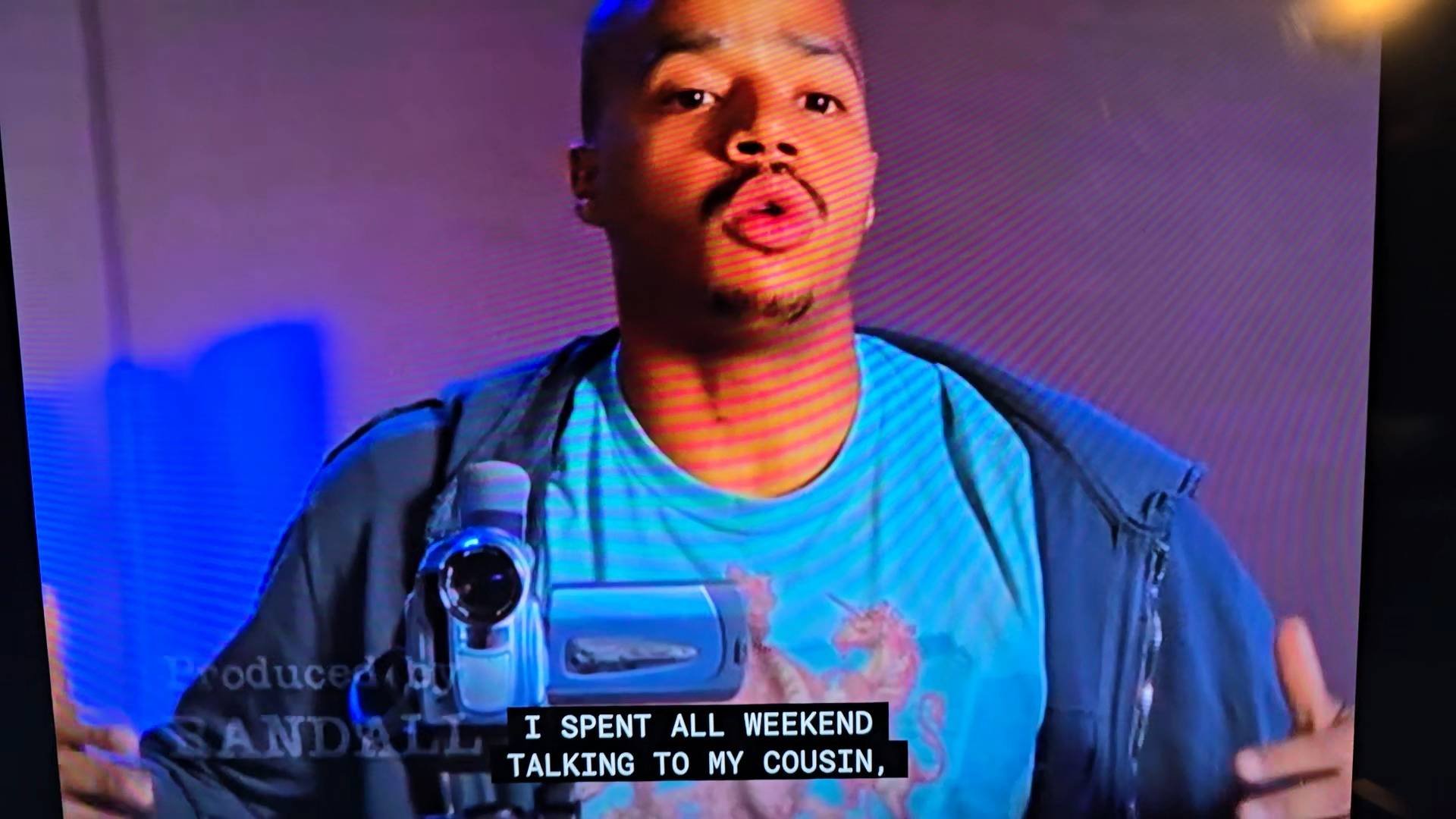
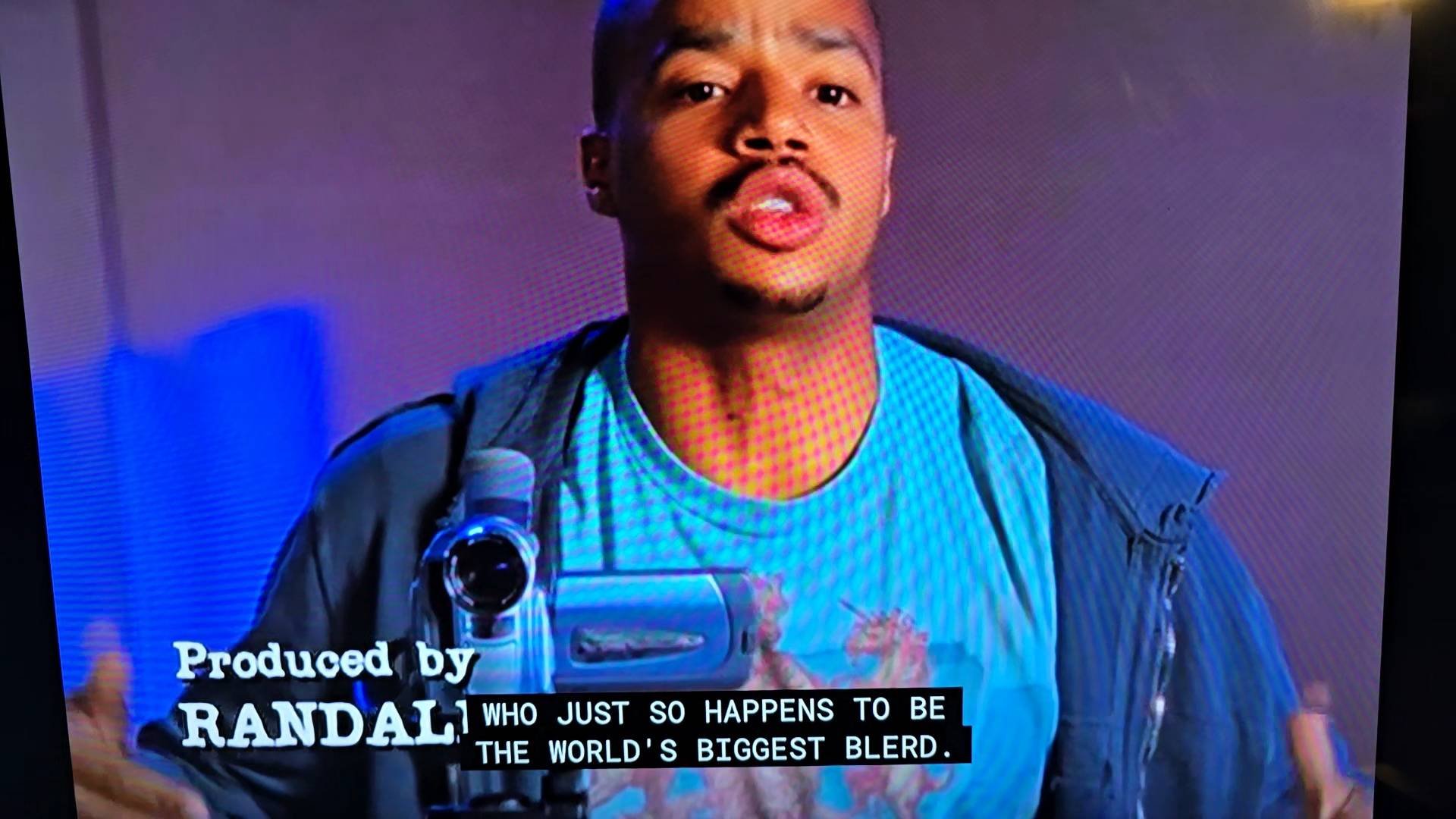
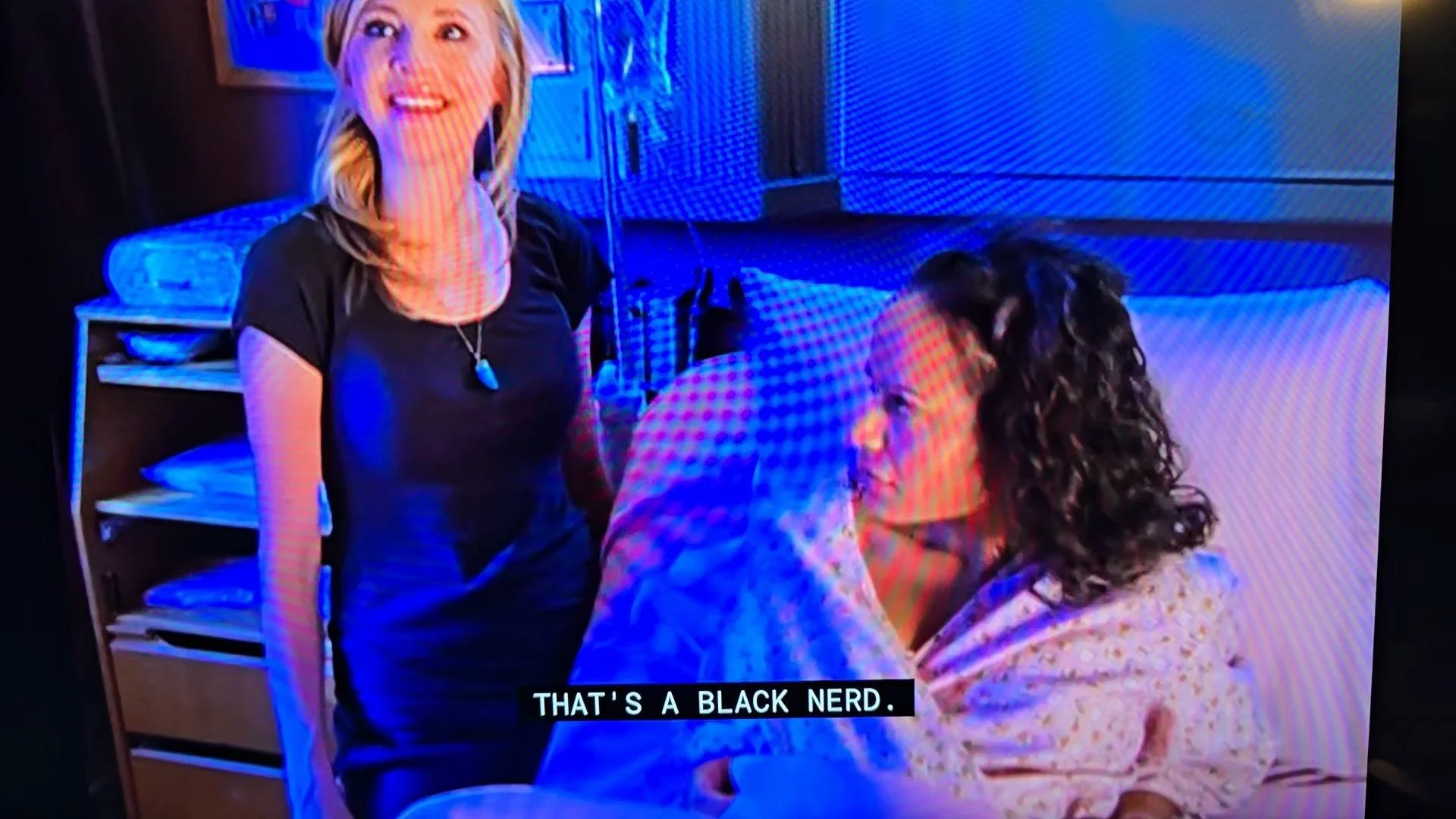
That moment gave a private contradiction a public name. It meant the people staying up too late grinding a side quest, memorizing lore nobody around them cared about, or feeling like an outlier in two directions at once, finally had a word that fit. Blerd became a flag you could plant, a way to find your people in a hobby that wasn't built with you in mind.
Building Rooms of Our Own
When the mainstream gaming world didn't make space, Black gamers made their own. Communities like Black Girl Gamers, founded by Jay-Ann Lopez, grew from a small Facebook group in 2015 into a global network of thousands, offering a place where Black women gamers didn't have to explain themselves; we could just be ourselves.
Being a member of Black Girl Gamers, I've experienced firsthand the impact of BGG’s community. From platforming Black women creators and finding other women to game with to pitching stories, to sharing our frustrations and joy. These spaces aren't a consolation prize for being left out of the bigger conversation. They're proof that community built on our own terms tends to outlast whatever crumbs the industry decides to offer us.
The same pattern shows up across Discord servers, Twitch channels, and smaller corners of the internet that never make headlines. Someone gets tired of being the only one in the room—tired of the racist and sexist jokes—so they build a new room. Then another person finds it, and another, until the room becomes something sturdier than the industry around it.
Persistence in the Face of Being Overlooked
Black protagonists in games are still rare enough that finding one feels like an event rather than something normal. When they do appear, they're too often flattened into the same handful of stereotypes: the gangster, the side character, the comic relief who exists to support someone else's story. Luckily, we’ve made progress, but that progress comes in pieces, not waves, and every gain has had to be fought for by players, developers, and writers who refused to accept the bare minimum. And still, non-stereotyped Black protagonists face immense pushback from white gamers—calling them everything from DEI characters to going full blown racist with slurs. It’s almost as if they truly believe Black characters can’t exist outside of their stereotypes.
But we persist and our persistence shows up in the reviews Black gamers write when a game finally gets representation right, in the social posts that go viral because someone finally felt seen, and in the decision to keep playing, keep streaming, and keep showing up in spaces that haven't always made it easy. Every time a Black gamer builds an audience, writes a guide, or starts a stream, they're expanding what the industry has to reckon with, whether the industry wants to or not.
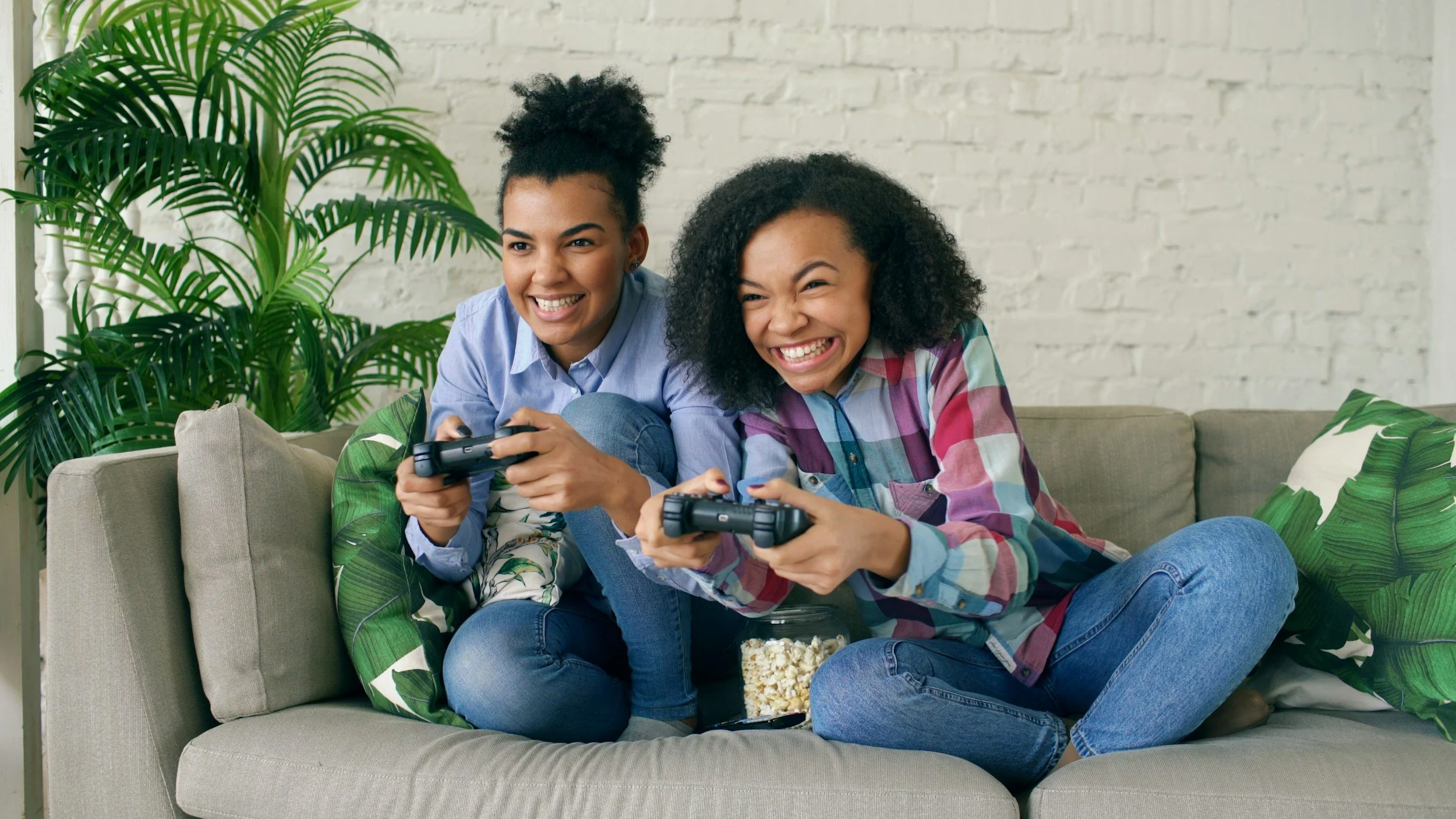
Cover image: Vitaly Gariev
Joy as Its Own Form of Resistance
It would be easy to frame all of this in terms of struggle alone, but that misses half the story. Blerd culture isn't about pushing back against exclusion. It's about Black joy and Black whimsy and being loud and without apology about our joy, in a space that wasn't designed with our joy in mind.
There's something powerful about a Black gamer logging in not to prove a point, but simply to enjoy a story, to connect with friends, to lose an afternoon in a world that has nothing to do with the pressures of being the only one in the room. That joy is its own quiet act of resistance. Our joy shouldn’t even have to be political, but it is because too many people do not believe we deserve our joy. But being joyful in the face of those who would rather us relegated to the shadows, says we belong here not because we've earned permission, but because we always belonged.
Freedom, Late and Worth Celebrating
Juneteenth marks freedom that arrived in Texas late, news that should have come sooner finally reaching the people it was always meant for. That history connects naturally to a community that built its own freedom inside an industry that took its time catching up.
Gaming while Black has never just been about which titles we play. It's about the word that finally named what we'd been feeling since the 90s, the spaces we built when no one handed them to us, the persistence that kept us showing up anyway, and the joy we refused to let anyone else gatekeep. This Juneteenth, fire up whatever you're playing, find your people if you haven't already, and celebrate exactly the way you want.